- This event has passed.
Date: |
16 October 2026 |
 |
Format: |
In-Person only |
|
Tickets: |
Open |
|
Venue: |
Grand Ballroom, Sheraton Grand Hyde Park
|
2026 PWI Convention Details
PWI Convention Programme – CLICK HERE
Rail Reimagined: Digital Innovation for a Sustainable Future
 This year’s convention is set to challenge Australia’s rail sector to evolve to meet the demands of a rapidly changing world. The Australian rail industry faces a unique set of challenges: higher costs to build and maintain assets; a lack of harmonisation across states and the impact this has on the efficiency and transferability of skills and resources; ageing infrastructure; asset sprawl across a vast geographic footprint; and the ongoing difficulty of implementing change while maintaining live operational rail services. The advancement of technology and innovation is increasing at pace, with Artificial Intelligence being a prime example of a new frontier of computerised advancement and processing power that can perform complex tasks at a pace far greater than any human can achieve. The opportunity to be more efficient and effective in the delivery of projects and rail operations has never been more prevalent. But are we ready for this change? Can the rail industry – a notoriously slow-turning ship when it comes to accepting and implementing change – leverage these opportunities? Do we have the impetus to adapt?
This year’s convention seeks to challenge our thinking that stifles progress in our industry. The convention will examine how emerging technologies, including Artificial Intelligence, automation, digital engineering, predictive analytics, digital twins, cybersecurity, and driverless systems, are reshaping the way railways are planned, operated, enhanced and maintained.
Exploring how digital capability can help overcome traditional industry barriers, accelerate decarbonisation and sustainable investment outcomes, improve operational performance, and support smarter infrastructure decisions that extend beyond short-term political cycles. By learning from both Australian experience and global trends, the 2026 PWI Convention will provide a platform for collaboration, innovation, and strategic thinking to help shape a more connected and sustainable rail future for Australia.
| Welcome Address | 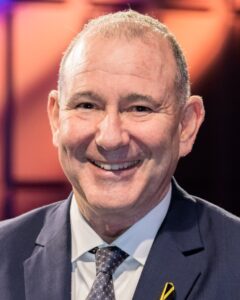 Mark Harris, PWI NSW President |
 |
|
| Keynote Address | 
James Lisica is a world-leading supply chain futurist, business strategist and keynote speaker who helps executive leaders navigate rapid digitalization, global disruption, sustainability, and the future of global trade. Combining 25 years of frontline operational leadership within some of the world’s largest organizations with a decade as a Gartner research director, James bridges the critical gap between big-picture technological trends and practical commercial execution. As a veteran of over 300 keynote presentations across 25 countries and thousands of executive strategy sessions for the Global 500, he specializes in translating extreme complexity into clear, actionable strategies. James empowers leaders with sharper strategic foresight and a decisive plan for leading their organizations through 2030 and beyond. RAIL REIMAGINED – Building Tomorrow’s Network Without Compromising TodayAustralia’s rail sector faces a difficult paradox. It must modernise ageing, complex networks while keeping today’s systems safe, reliable and moving. Rising costs, legacy infrastructure, skills constraints and fragmented operating environments make that challenge even harder. Synchronised Autonomy offers a practical way forward. It means running two horizons simultaneously. Continuously improving the systems that keep rail moving today, while accelerating innovation that will redefine tomorrow’s network. In this keynote Global Futurist James Lisica explores how rail leaders can bridge these two worlds. Using AI, predictive analytics, digital twins, automation and emerging autonomous technologies without losing sight of operational reality. The focus is not technology for technology’s sake, but how people, processes and intelligent systems can work together to make better decisions, improve asset performance and accelerate transformation. The opportunity is to stop treating improvement and innovation as competing agendas, and start designing them as one connected operating model for a safer, smarter, more resilient and sustainable rail future. |
||
| Session 1 | |||
| Session Chair | 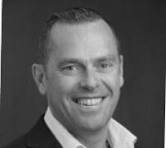 David Robotham, General Manager, Transport, Laing O’Rourke Australia. David Robotham, General Manager, Transport, Laing O’Rourke Australia.David started his career as junior Engineer in British Rail working alongside his father who was a Railwayman of 40 years. I his early year he spent time working through the Maintenance and Capital Works divisions before British Rail moved into the privatization. Initially working within Tarmac and later Jarvis Rail, David moved into the leadership of a number of UK regions leading business units before moving into the major projects space leading significant elements of the West Coast Route Modernisation. In 2009 David moved to Australia with his wife and three children for a role with Laing O’Rourke and hasn’t looked back since working on major Alliances, leading Business Units and currently as the General Manager Rail Sector for the Australia hub. |
 |
|
| Presentation 1 | 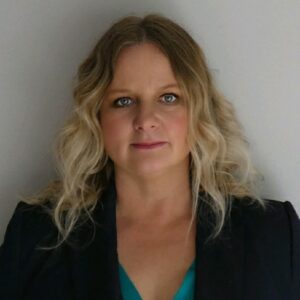 Julianna Bodzan is an AI strategist, advisor, researcher, and speaker who helps organisations turn AI ambition into practical business outcomes. With more than 17 years of industry and advisory experience across transport, aviation, government, and other industries in the UK and Australia, she specialises in AI Strategy, governance, operating models, workforce readiness, and responsible adoption. Julianna is currently a Principal Advisory Director at Info-Tech Research Group, where she works with leaders across the Asia-Pacific region to help organisations realise value from AI while managing risk and building organisational capability. Julianna Bodzan is an AI strategist, advisor, researcher, and speaker who helps organisations turn AI ambition into practical business outcomes. With more than 17 years of industry and advisory experience across transport, aviation, government, and other industries in the UK and Australia, she specialises in AI Strategy, governance, operating models, workforce readiness, and responsible adoption. Julianna is currently a Principal Advisory Director at Info-Tech Research Group, where she works with leaders across the Asia-Pacific region to help organisations realise value from AI while managing risk and building organisational capability.
AI Beyond the Hype: A Practical Guide for the Permanent WayAI has been developed and refined for over 70 years, with the modern era dating back roughly 20, but most of that hasn’t reached rail until the last decade. This session sets out what AI actually is, separates it from the hype fears currently circulating in the industry, and shows where it’s already delivering results: predictive maintenance, signalling, safety documentation, anomaly detection, and more. |
||
| Presentation 2 | 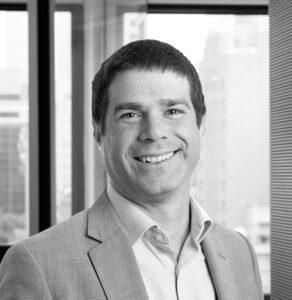 Peter is a Project Director with over 25 years’ experience in the development and delivery of projects in the public and private sectors. He has developed and managed commercial agreements on behalf of clients for a variety of stakeholders including third party agreements and commercial agreements across a variety of delivery models including Alliance, D&C, Managing Contractor, ECI, PPP and Construct Only contracts. Peter is a Project Director with over 25 years’ experience in the development and delivery of projects in the public and private sectors. He has developed and managed commercial agreements on behalf of clients for a variety of stakeholders including third party agreements and commercial agreements across a variety of delivery models including Alliance, D&C, Managing Contractor, ECI, PPP and Construct Only contracts. |
||
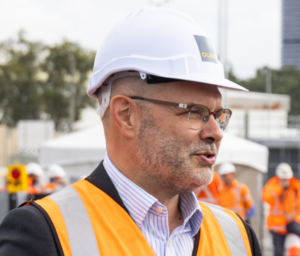 Simon Barney Simon BarneyGeneral Manager Commercial & Terminals Qube Logistics Infrastructure |
|||
The Adaptation of Intermodal Terminals at Moorebank to meet changing Operational RequirementsMoorebank Intermodal Terminal is Australia’s largest intermodal freight precinct situated on 243 hectares of land in South- Western Sydney. The precinct is located in close proximity to both the M5 and M7 motorways in addition to a direct connection with to the Southern Sydney Freight Line. At full capacity the Terminals will service both the Interstate and Import/Export markets with a capacity to handle 1.5M TEU (Twenty Foot Equivalent Units) per annum by rail, service 850,000 square metres of integrated warehousing and realise a reduction of more than 3000 heavy truck movements per day from Sydney’s road network.The Precinct champions strong Environmental credentials generating 65,000 MWh/year from renewable energy sources and delivering a net annual carbon emission savings equivalent to removing 11,000 vehicles from the road or burning 25.000 tonnes of coal in addition to biodiversity preservation.This presentation looks at how the Intermodal Terminals have adapted to market growth within the sector and how the Terminals will support continued growth through future stages of development. |
|||
| Session 2 | ||
| Session Chair | 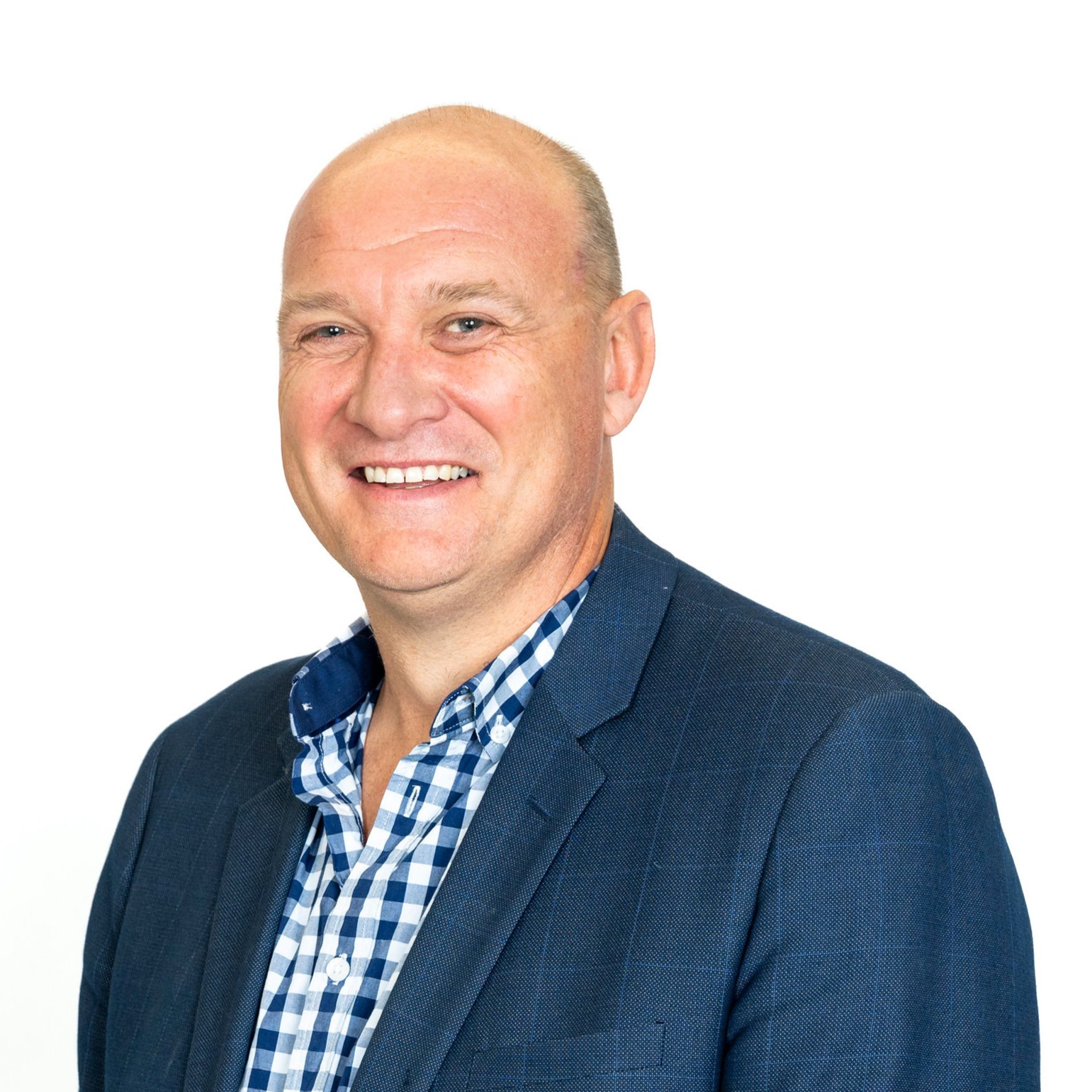 Ty Newman, General Manager, Rail, Acciona Ty Newman, General Manager, Rail, AccionaAs General Manager, Rail at Acciona Rail, Ty provides national leadership across the company’s rail portfolio, overseeing strategic, commercial and operational performance. He leads major infrastructure programs and minor works projects nationwide, ensuring safe, consistent and high‑quality delivery. Ty drives financial performance, strengthens key client relationships and guides multidisciplinary teams across a geographically diverse portfolio. A highly respected leader, he brings deep rail and construction expertise, strong governance and a commitment to innovation. With a proven ability to deliver large‑scale projects with precision and strategic focus, Ty fosters a high‑performing culture and promotes collaboration with clients and partners to support sustained growth, positioning the rail division for continued success while maintaining safety, quality and operational excellence. |
 |
| 2026 Young Achiever Award Winner Julian Sharp, YAA Subcommittee Chair |
||
| Presentation 3 |  Bryan Law is currently the Senior Manager of ETCS Engineering at Queensland Rail and leads multidisciplinary teams across systems engineering, integration, safety assurance, telecommunications, and cybersecurity. He is passionate about developing high-performing teams and driving continuous improvement in engineering organizations. Bryan Law is currently the Senior Manager of ETCS Engineering at Queensland Rail and leads multidisciplinary teams across systems engineering, integration, safety assurance, telecommunications, and cybersecurity. He is passionate about developing high-performing teams and driving continuous improvement in engineering organizations.
ETCS ProgramDelivering Queensland’s First ETCS and TMS: Systems Engineering and Assurance Challenges on the Cross River Rail Program |
|
| Presentation 4 | 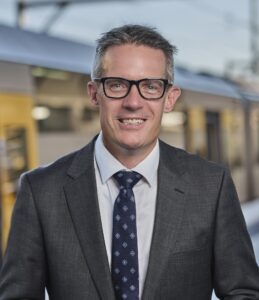 Matt was appointed as the Chief Executive of Sydney Trains in June 2021. Matt was appointed as the Chief Executive of Sydney Trains in June 2021.In this role, Matt has accountability for the delivery of safe, reliable and efficient passenger rail services, rail network control and the management of fleet, assets and infrastructure. Sydney Trains is Australia’s largest public transport operator, moving more than a million passengers each day and supporting rail freight movement across the metropolitan network. In his role, Matt is leading a significant program of work to improve the reliability and resilience of rail services – while investing in new technology, integrated planning and new ways of working to modernise operations for the future. Matt has more than 25 years’ experience working in the transportsector, in various roles across strategy, planning, project and service delivery. Matt has undergraduate and postgraduate qualifications in Urban and Regional Planning and has completed an Executive Master of Business Administration at the Australian Graduate School of Management. He is a graduate of the Australian Institute of Company Directors. Outside of work, Matt is a keen runner and is currently training for his eighth marathon in New Zealand later this year |
|
| Presentation 5 | 
Matt Worthington-Eyre is a rail and civil engineering professional with extensive experience delivering complex freight, intermodal and heavy rail infrastructure projects across Australia. He has worked across all stages of project development, from feasibility and masterplanning through to detailed design, construction support and project delivery. Matt specializes in rail infrastructure, freight terminals and logistics facilities, with a strong focus on developing practical, efficient and commercially informed design solutions. He has led multidisciplinary design teams and worked closely with clients, operators, contractors and specialist consultants to resolve complex operational and engineering challenges. As Senior Associate within BG&E, Matt brings a hands-on, collaborative approach to projects, combining technical expertise with a strong understanding of constructability, operations and whole-of-project outcomes. His focus is on delivering clear, buildable solutions that improve safety, functionality and long-term asset performance. Melbourne Intermodal Terminal – Remote DeliveryThe Melbourne Intermodal Terminal project provides a compelling example of how a complex freight infrastructure design can be successfully delivered through a fully remote design and management model within the constraints of a rapid Design and Construct programme. The project required close coordination across rail, civil, pavement, drainage, services and operational interfaces, with design decisions needing to be made quickly while maintaining constructability, safety and operational performance. This presentation explores the delivery approach adopted to manage a geographically dispersed design team without relying on a traditional co-located project environment. It examines the importance of clear design governance, disciplined communication, structured decision-making and early alignment between the client, contractor and design disciplines. Particular focus is given to managing interfaces, prioritizing critical design packages, resolving constraints quickly and maintaining design momentum in parallel with construction planning and procurement. The presentation also considers the lessons learned from delivering complex intermodal infrastructure under compressed timeframes, including the importance of defining requirements early, working backwards from operational and construction needs, and maintaining a strong focus on practical and buildable outcomes. The Melbourne Intermodal Terminal demonstrates that, with the right management framework and team behaviors, fully remote delivery can provide an effective model for fast-paced infrastructure projects while maintaining design quality, accountability and collaboration. |
|
| PWI Fellows & Life Members Mark Harris, PWI NSW President |
||
| Railway Soccer Cup – Charitable Donation Mark Harris, PWI NSW President Jonathan Barnes, RTAA President |
||
| Session 2 | |||
| Session Chair | 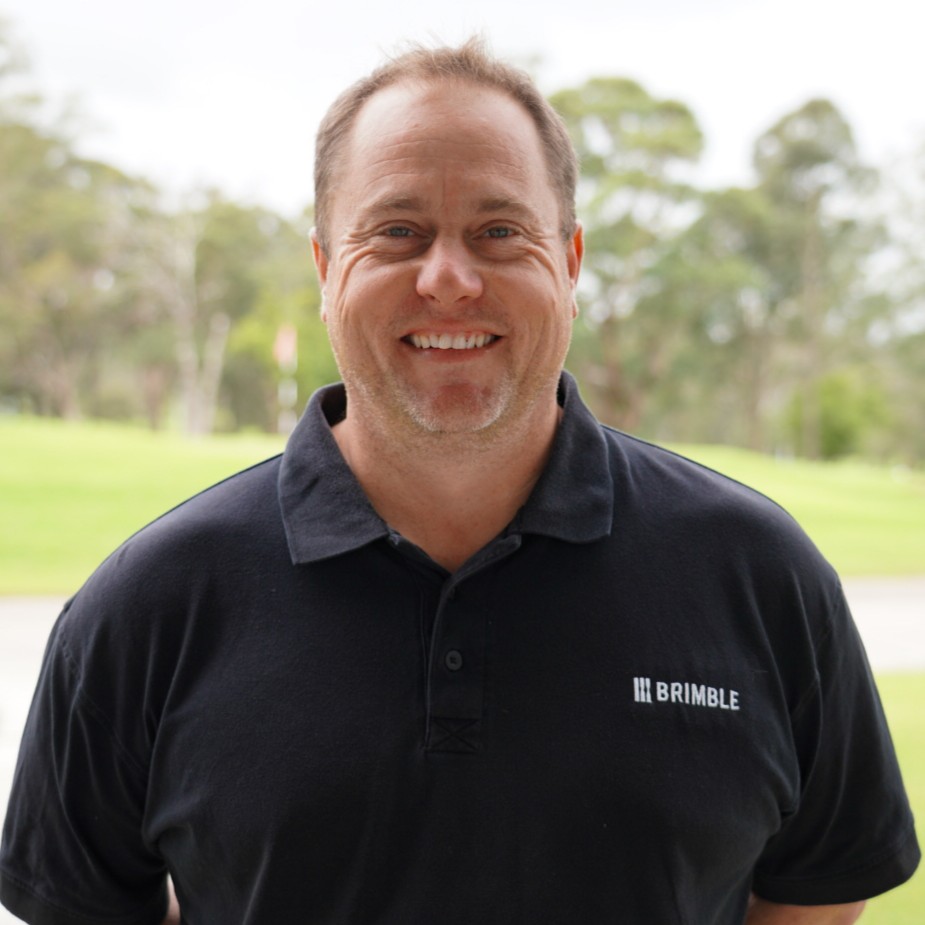 Dave Brimble, Managing Director, Brimble Rail Dave Brimble, Managing Director, Brimble RailDavid has over 20 years of rail industry experience in the operation and maintenance of track maintenance machinery. As Managing Director of Brimble, he is responsible for the strategic and operational leadership of the business, overseeing planning, training, compliance, contractual requirements, and project delivery. Passionate about the rail industry, David is committed to continuous improvement, innovation, and developing practical solutions that deliver long-term benefits for clients and the broader rail sector. He is equally passionate about mentoring and developing people, fostering a collaborative team culture built on accountability, trust, and a shared commitment to achieving safe, high-quality outcomes. |
 |
|
| Panel Session: | 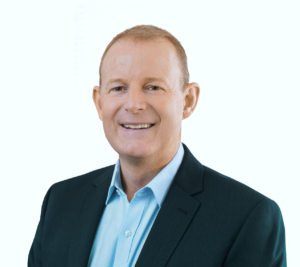 Wayne Johnson is ARTC’s Chief Executive Officer and Managing Director.He has more than 20 years of leadership experience across Australia’s resources, freight and logistics sectors, including mine, port and rail operations.Wayne has been with ARTC for more than a decade, serving in a range of senior leadership positions before being appointed CEO and Managing Director in December 2023. Wayne Johnson is ARTC’s Chief Executive Officer and Managing Director.He has more than 20 years of leadership experience across Australia’s resources, freight and logistics sectors, including mine, port and rail operations.Wayne has been with ARTC for more than a decade, serving in a range of senior leadership positions before being appointed CEO and Managing Director in December 2023.A passionate advocate for rail as a safe, efficient and environmentally responsible mode of transport, he is focused on building a safer, more reliable and resilient network for customers and local communities, supporting a more sustainable and integrated supply chain to help drive national productivity. In addition to his role at ARTC, Wayne is also a Board member of the National Transport Research Organisation and the Australasian Railway Association |
||
| Matt was appointed as the Chief Executive of Sydney Trains in June 2021.In this role, Matt has accountability for the delivery of safe, reliable and efficient passenger rail services, rail network control and the management of fleet, assets and infrastructure. Sydney Trains is Australia’s largest public transport operator, moving more than a million passengers each day and supporting rail freight movement across the metropolitan network. In his role, Matt is leading a significant program of work to improve the reliability and resilience of rail services – while investing in new technology, integrated planning and new ways of working to modernise operations for the future. Matt has more than 25 years’ experience working in the transportsector, in various roles across strategy, planning, project and service delivery. Matt has undergraduate and postgraduate qualifications in Urban and Regional Planning and has completed an Executive Master of Business Administration at the Australian Graduate School of Management. He is a graduate of the Australian Institute of Company Directors. Outside of work, Matt is a keen runner and is currently training for his eighth marathon in New Zealand later this year. |
|||
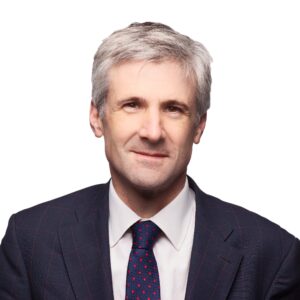 Oliver Bratton has worked with urban railway systems for the majority of his 30 year railway career. Much of this has been with MTR Corporation Ltd on major contracts including London Overground, Elizabeth line, Stockholm Tunnelbanan and now, Sydney Metro. A focus of his work has been the role of data in supporting operations and maintenance in order to support a more cost effective railway industry. Oliver Bratton has worked with urban railway systems for the majority of his 30 year railway career. Much of this has been with MTR Corporation Ltd on major contracts including London Overground, Elizabeth line, Stockholm Tunnelbanan and now, Sydney Metro. A focus of his work has been the role of data in supporting operations and maintenance in order to support a more cost effective railway industry. |
|||
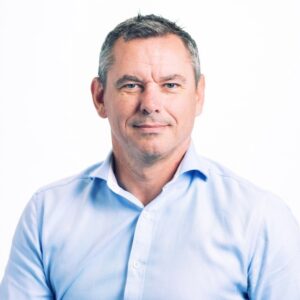 Paul is an accomplished rail and infrastructure executive with more than 35 years of experience in major transport, rail, and construction businesses across Australia, New Zealand, and the United Kingdom. As Chief Executive Officer of UGL Regional Linx, he is responsible for leading one of Australia’s most significant regional rail operations, overseeing the delivery of safe, reliable, and customer-focused rail services and infrastructure outcomes. Paul is an accomplished rail and infrastructure executive with more than 35 years of experience in major transport, rail, and construction businesses across Australia, New Zealand, and the United Kingdom. As Chief Executive Officer of UGL Regional Linx, he is responsible for leading one of Australia’s most significant regional rail operations, overseeing the delivery of safe, reliable, and customer-focused rail services and infrastructure outcomes.Prior to joining UGL Regional Linx as CEO in February 2026, Paul served as Head of Development at ACCIONA Australia, where he led the identification, development, and pursuit of major infrastructure opportunities across transport, energy, and social infrastructure sectors. During his tenure, he played a key role in shaping strategic growth initiatives and strengthening the company’s position in the Australian infrastructure market. Throughout his career, Paul has built a reputation for strategic leadership, building high-performing teams, and delivering complex projects in challenging environments. His expertise spans rail operations, infrastructure development, major project delivery, alliance management, business growth, stakeholder engagement, and organisational transformation. He is passionate about developing strong leadership cultures, driving innovation, and delivering sustainable outcomes that benefit customers, communities, and industry partners |
|||
| Presentation 6 | 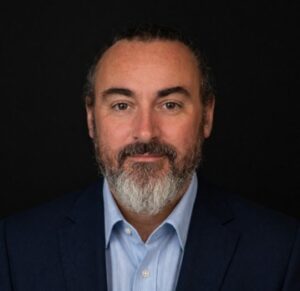 Craig Dunningham is an Information Architecture Lead at Arcadis, specialising in Digital Engineering and data-led delivery for complex infrastructure programs. With almost three decades of experience in civil engineering, including more than a decade in rail, his work sits at the intersection of engineering, systems thinking and information architecture. Craig Dunningham is an Information Architecture Lead at Arcadis, specialising in Digital Engineering and data-led delivery for complex infrastructure programs. With almost three decades of experience in civil engineering, including more than a decade in rail, his work sits at the intersection of engineering, systems thinking and information architecture.Craig has helped develop and implement Arcadis’ Assured Data-Led (ADL) approach across major rail programs, connecting requirements, design, change, assurance and evidence through structured information. His focus is on moving projects beyond document-centric delivery towards connected, traceable information that supports better decision-making, provides earlier visibility of risk and reduces rework. His current work explores how these approaches can be applied practically across infrastructure delivery, including how their value and impact can be measured. Beyond Documents: Connecting Engineering Information for Assured, Data-Led Rail DeliveryInfrastructure projects generate increasing volumes of digital information, yet delivery often remains dependent on documents, spreadsheets and disconnected systems. While Digital Engineering has improved the way information is created and managed, the presence of digital information alone does not ensure that it is connected, traceable or available when decisions are made. This paper presents Assured Data-Led (ADL) delivery as an approach to structuring and connecting engineering information around the relationships between requirements, design, change, assurance and evidence. Rather than treating these as separate project artefacts, ADL establishes a governed information architecture through which technical information can be traced across the delivery lifecycle. The paper explores how this approach can improve visibility of change, expose emerging misalignment and provide earlier indications of delivery risk. It also considers a more fundamental question: how do we demonstrate that connected information actually improves project delivery? A framework is proposed for examining value through observable project activities and information transactions, including the effort associated with creating, reviewing, revising, issuing and assuring engineering information. This provides a basis for moving the discussion around Digital Engineering from claimed efficiencies towards measurable delivery outcomes. The paper argues that the next step in data-led infrastructure delivery is not simply generating more information or introducing more technology, but improving the relationships between information and demonstrating the value those relationships create. |
||
| Presentation 7 | 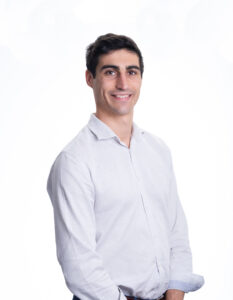 Eric has extensive experience in power systems engineering and railway electrification, specialising in traction power modelling, electrical design, power system studies, EMI/EMC, and asset management across major infrastructure projects. Eric has extensive experience in power systems engineering and railway electrification, specialising in traction power modelling, electrical design, power system studies, EMI/EMC, and asset management across major infrastructure projects.
Battery-powered trains and trams in Australia In this presentation, he explores the application of battery-powered trains and trams in Australia, providing practical insights into battery technology, charging infrastructure, modelling outcomes, and real-world applications. |
||
| PWI Nationalisation Update Steve Naumovski, NESC Secretary |
|||
| POST-CONVENTION NETWORKING EVENT | ||
|
PWI Post-Convention Networking Event |
||
Additional Information
Corporate Convention Discount codes
Please note: discount codes will be emailed to financial enhanced corporate members (Platinum, Gold, Silver, Corporate) by 1 September – if you don’t receive your code, please contact us at info@pwinsw.org.au
About the PWI
The PWI was founded in the United Kingdom in 1884 as a forum for railway staff at all levels. An independent NSW section was established in 1974, and today is one of the largest independent chapters in the world. Whilst our original focus was on the technical aspects of
the permanent way, we have since broadened our focus to cover rail infrastructure more generally, including civil, structures and electrical.
The PWI NSW is a not-for-profit membership organisation, and we are grateful for the support of our members – these include over 70+ corporates (from Tier 1 contractors and consultants to industry supplier and manufacturing SME’s) and over 400 independent members (from blue collar field workers to white collar executives). We also enjoy strong support from Sydney Trains, TfNSW and Sydney Metro, with key executives such as Howard Collins OAM and Matthew Longland just two of the executive level industry leaders that actively support our activities and events (including our flourishing Cadetship program). We also have active chapters in QLD and SA, and more recently established new chapters in VIC and WA. Our objective is now to become a National Institution over the coming 12-24months, strengthening our relationship with other state and national industry bodies including the Australasian Railway Association.
Our focus as an industry body is on four key pillars:
• Community – fostering a diverse rail community, giving our members a sense of
belonging and unity, nurturing and embracing the belief that we are a “rail family”.
• Knowledge Share – supporting opportunities to share technical knowledge, growing technical expertise, learning about our industry, learning from and about our members.
• Relevance – working with our industry partners and colleagues to support and drive the rail agenda, maintaining a relevant and informed membership, making sure we have a sustainable long-term industry.
• Pathways – supporting the development of career pathways and growth for our rail community, increasing training and technical competency, creating an environment for people to connect.
The PWI Convention is the largest event in our annual calendar, attracting in the region of 300+ delegates, and focuses on embracing the four pillars noted above through presentations and technical papers, and networking and engagement opportunities.
Membership
To attend PWI NSW functions you must be a current financial member or corporate representative or guest. Please refer to the membership page for all memberships including corporate membership.
If you are not currently a member of PWI NSW you can join via our Membership page. Upon joining you will receive a Login ID and password to register for events.
For any queries please contact info@pwinsw.org.au